Have you ever wondered what makes a truly great leader?
Are you aware of the effective leadership styles employed by some of the greatest sports coaches and leaders in the world?
Do you know what it takes to successfully lead people in a performance driven environment?
In this blog I will aim to answer those questions and hopefully provide some ideas as to how leaders within sport could develop their overall leadership ability.
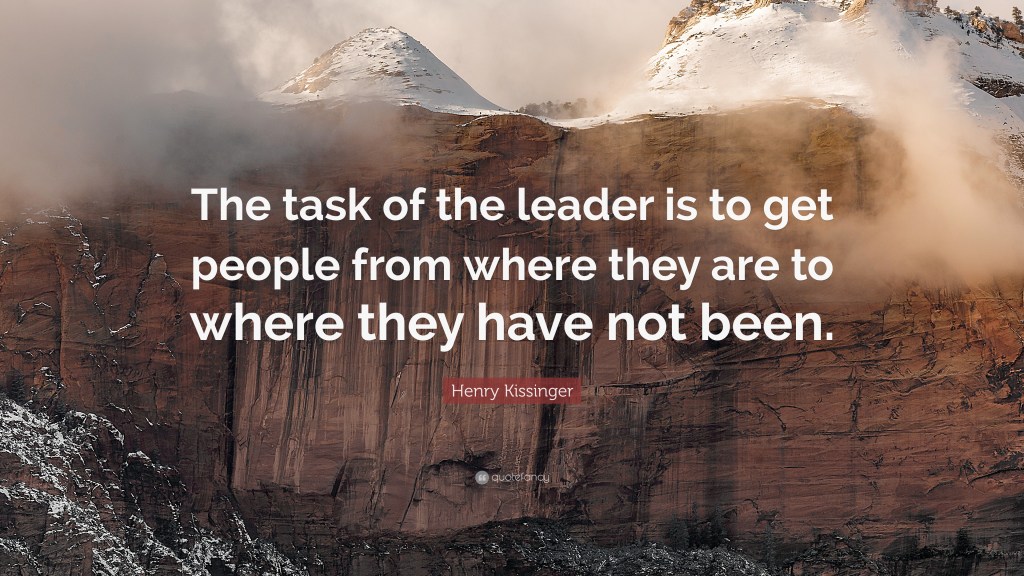
So… What does a good leader actually look like?
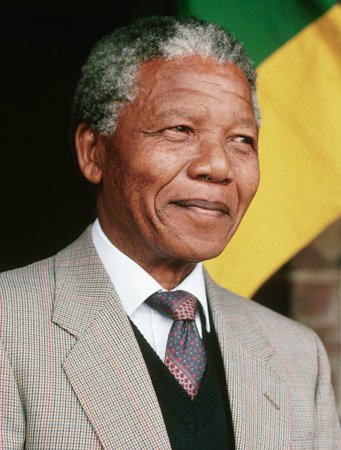
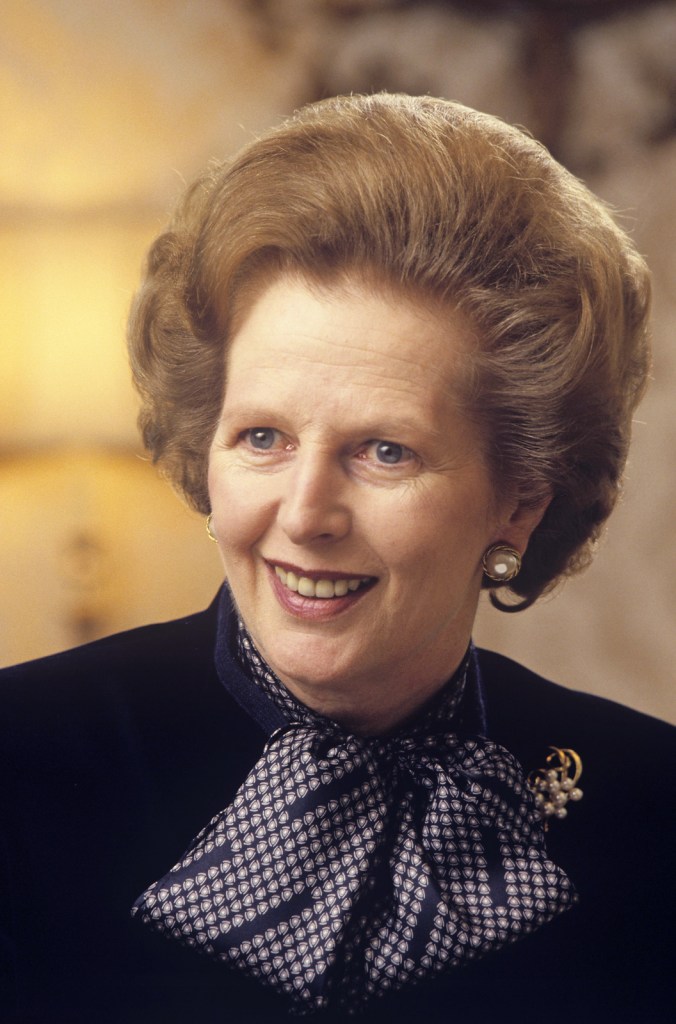
When people talk about famous leaders in history there are several names that spring to the majority of people’s minds. Names such as: Gandhi, Joan of Arc, Nelson Mandela, Margaret Thatcher, Martin Luther King Jr, Abraham Lincoln and Mother Teresa. All of whom had a profound impact upon the lives of whole nations. Therefore, it is no surprise that I present these individuals as examples of immensely successful leadership.
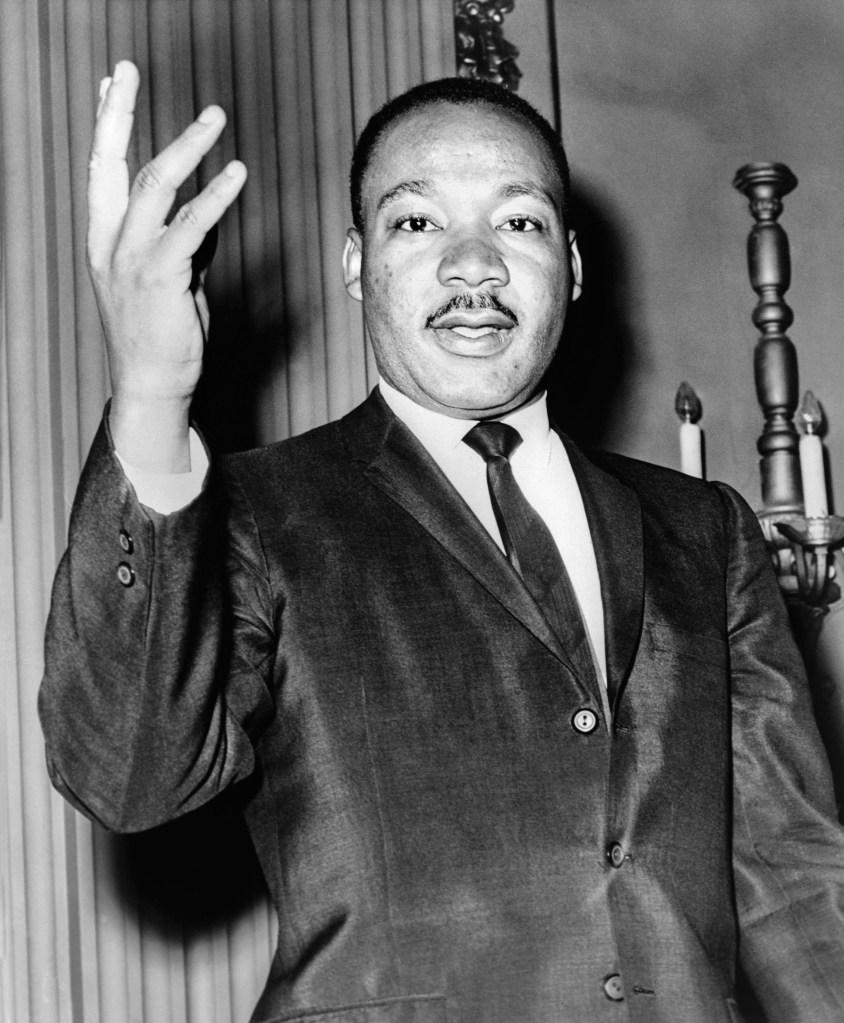
Ok… but what about leaders in Sport?
There are of course, countless examples of exceptional leadership with the context of sport. As someone who has grown up hugely passionate about a plethora of sports, my list of influential sports leaders is extensive. However, pictured below is a brief look at some of histories greatest leaders in high performance sport.
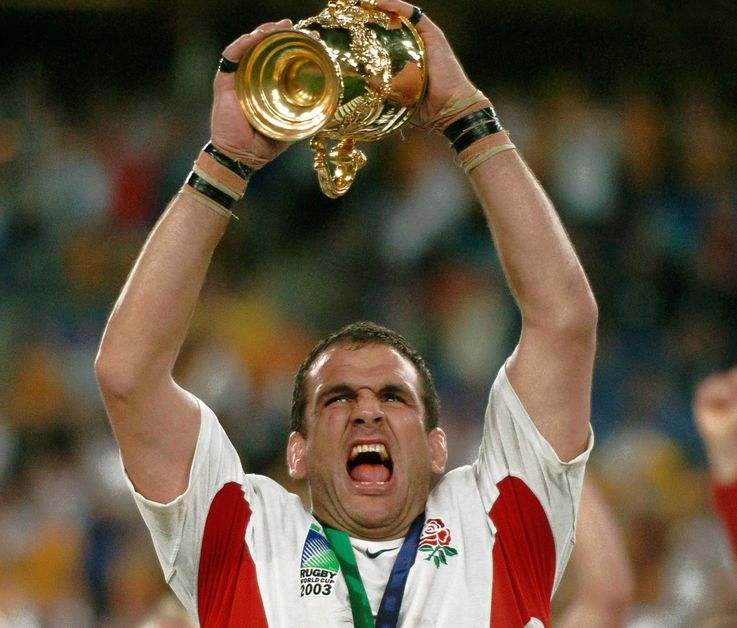
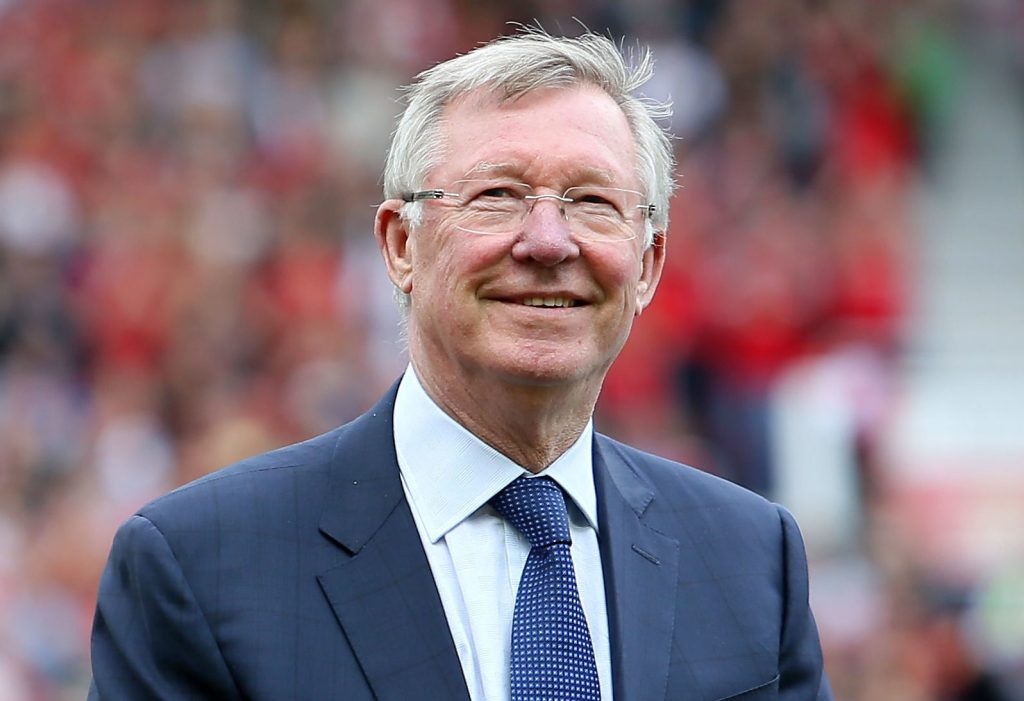
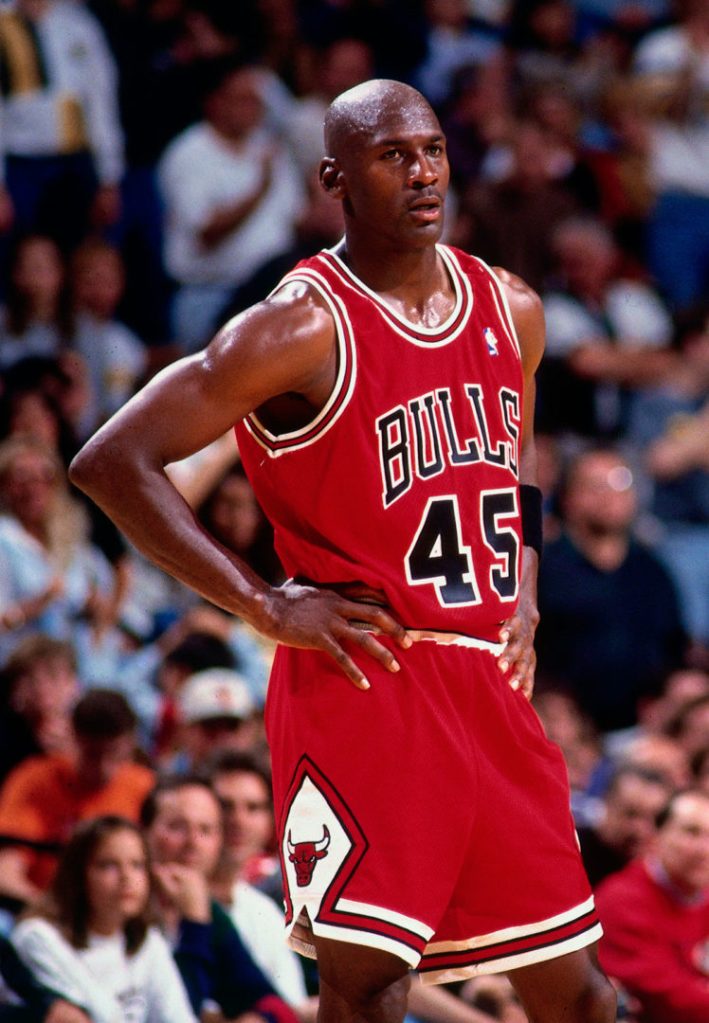
What exactly is Performance Leadership?
At the most rudimental level, the Oxford Dictionary offers a definition of leadership. They propose that leadership is ‘the action of leading a group of people or an organisation’. Despite this useful definition, many historical figures have attempted to develop their own definitions of what they believe leadership embodies and encompass’. A famous quote by Bill Gates gives insight into his understanding of what leadership is [1].

Bill Gates: ‘As we look ahead into the next century, leaders will be those who empower others.’
However, I am more interested in understanding leadership within a high performance sports setting and so as expected there is a slightly differing definition offered within academic literature. A researcher named Peter Northouse defined [2] performance based leadership as:
‘a process whereby an individual influences a group of individuals to achieve a common goal’
Therefore, whether you are the head coach at Arsenal FC or you are the captain of your school hockey team, you have the potential to positively influence your team’s chance of success through effective leadership.

Whilst writing the previous paragraph I couldn’t help but think of the movie Spiderman. In the movie, Uncle Ben says to Peter Parker (Spiderman) the famous Voltaire quote ‘with great power comes great responsibility’. This quote always serves as a reminder to me, never underestimate the opportunity you have to influence individuals through effective leadership! This is true regardless of whether you are in a formal position of leadership (e.g. coach) or if you are informally leading (e.g. a team member influencing their peers during a game).
Ok enough Spiderman… lets put the Northouse definition into a high performance context. Martin Johnson (pictured earlier on) is best known as the England Rugby Captain that led his team to the 2003 Rugby World Cup victory. He is an exceptional example of a leader that was able to positively influence his team, which played a critical role in the achievement of the team’s collective goal… a World Cup victory. He was hailed by his coach at the time (Sir Clive Woodward) as a prime example of a truly inspirational leader within sport [3].
We cannot underestimate the importance of leadership in a performance environment. Researchers Fletcher and Wagstaff suggested based on their research that the way a team is led has increasingly become one of the most game changing factors in determining success in the domain of Olympic level sport [12]. Therefore, without Martin Johnson’s impeccable leadership in the 2003 World Cup, could it be argued that England may not have been as successful as they were? Does leadership style really have that much of a profound impact on overall team performance?
The different leadership styles…
Over time, many different researchers have demonstrated that there is a vast array of leadership styles and each style can have a significant impact on a team and performance outcome of said team [4]. These styles include:
- Dictatorial
- Autocratic
- Participative
- Laissez faire
- Charismatic
- Directive
- Supportive
- Participative
- Achievement-oriented
- Transactional and Transformational
- People-oriented
- Task-oriented
Ok, the reality is that going through each and every one of these and individually explaining what they mean would be pretty dull and might I suggest that many on the list are rather self-explanatory. Instead, I want to highlight the personal attributes that contemporary research has proposed are necessary for effective leadership [4]. For many of you, these attributes will come as no surprise. However, achieving sporting excellence requires highly effective leadership and so overlooking any of these attributes may ultimately result in sub optimal performance of both coach and athlete.
Exceptional leadership requires exceptional organisation
When a coach is tasked with helping an athlete to achieve an olympic medal, the amount of day to day organisation and preparation which most coaches do is truly mind blowing [5]. I have been fortunate enough to train in the Loughborough University Athletics Centre. Consequently, I have been able to observe olympic level athletes interacting with their coaches on a day to day basis. These coaches are not only writing world class training programmes for their athletes, they are writing these programmes whilst taking into account all other aspects of the athlete’s life.
Holistic Athlete Development
Of course performance based leaders are highly passionate about athletic achievement and sporting success. However, a truly great leader should also endeavour to facilitate personal growth outside of sport as well as help an athlete to fulfil their athletic potential [6]. Coaching with a holistic mindset means that the coach accounts for personal, emotional, cultural and social aspects of the athlete’s life [7]. It is so important that coaches are careful not to neglect the importance of these other aspects as they can also have a significant impact upon sporting development and performance. For example, if you notice that an athlete you coach is always turning up to training tired it may be because that athlete is struggling to manage both training and working. Helping the athlete to become more organised both at training and at home may help them to cope better, which in turn may help to reduce tiredness at training.
Lead by Example
I feel like this attribute goes without saying, as a leader in sport so often you are in a position where many will look up to you as a role model. As a team captain, you have the opportunity to demonstrate the behaviour you expect your teammates to also display [8]. In my personal sporting experience, I have noticed that when a team captain is out on the playing field putting in a great deal of hard work and passion, the remaining team members so often can’t help themselves but attempt to match that level of commitment and drive on display.
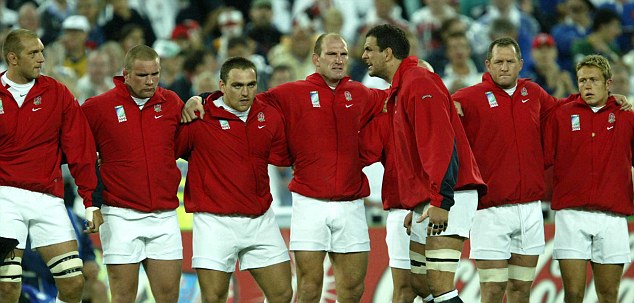
I must apologise for bringing this name up again but Martin Johnson is one of these leaders! A news article [9] reported this after his World Cup Victory, a quote from his coach: ‘Johnno did everything in the game, he did it leading from the front and always in the right spirit’.
This attribute really goes back to the old adage, a phrase we’ve probably all heard a thousand times: actions speak louder than words. However, sometimes this is easier said than done, especially for those that are relatively new to performance leadership. A brilliant quote from the academics Kouzes and Posner was that ‘sometimes the greatest distance you have to travel is the distance from your mouth to your feet’ [10].
Create a culture

When operating in a high performance environment it is essential for a leader to create a team culture that is conducive for performance. In order to successfully create a culture, the team must generate a set of shared beliefs [4]. It is important to understand that the team’s culture is is heavily impacted and shaped by the coach’s own personal set of beliefs or philosophy. Also, academic research suggested that when members within the team are aware of their own personal role as well as their team mates role, the culture that is generated is likely to align with the teams vision and goals [4].
Hang on… did I miss any?
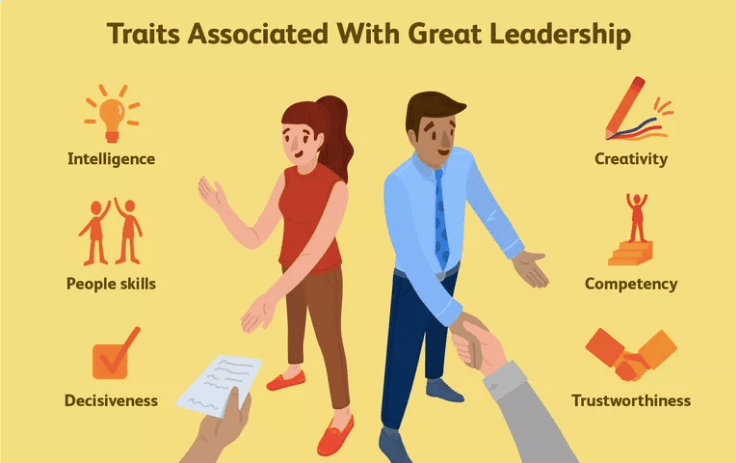
As previously stated, the list of leadership qualities and attributes is pretty extensive. However, I thought it might be beneficial to complete your knowledge by outlining the remaining relevant attributes. Honesty, emotional intelligence, enthusiasm, trust, cooperation, self-insight and the ability to create a vision were all outlined [4, 11]. I really did not want to miss any attributes out but i am also well aware that it would be virtually impossible for any human to embody each and every attribute all of the time.
A little thought I had after reading the research – Elite level coaches are often highly expectant of an athlete to be progressing in every aspect of their training and lifestyle. So surely as an elite level athlete they too should be expectant of their coach to be constantly attempting to develop their knowledge and leadership skill set? Could this in turn lead to an overall team development, as coach and athlete grow together!
Hang on… what type of leadership style should i actually use?!
The three well known types of leadership that are most commonly utilised in most sports are: Autocratic Leaders, Democratic Leaders and Laissez-Faire Leaders. It tends to be the case that these are the mains types of leadership style that are taught at coaching qualifications and leadership events. However, a new style of leadership has started to emerge in the context of high performance leadership…
Transformational Leadership
A researcher named Bernard M. Bass pioneered the development of what is today known as Bass’s Transformational Leadership Theory [13]. Bass described this leadership style as a phenomenon, in which leaders are able to stimulate and inspire their team members in order to achieve extraordinary results. This style has been well investigated within the the context of businesses and the military [14]. This leadership style can be highly effective, research reported that individuals (led by a transformational leader) produced exceptional results with much greater satisfaction and commitment. Academics did also note that this style of leadership is strongly suited to performance enhancement in exceptional contexts, for example: elite level sport and military combat [15]. Therefore, it is no surprise that more recently this style has been examined within a high performance sports setting. In the context of sport, transformational leadership is essentially when a coach builds relationships with their athletes through emotional, personal and inspirational exchanges, with the overall aim of helping the individuals to achieve their full potential [10].
Bass suggested that there are four key components to Transformation Leadership [13] that can all have a significant impact on performance outcomes:
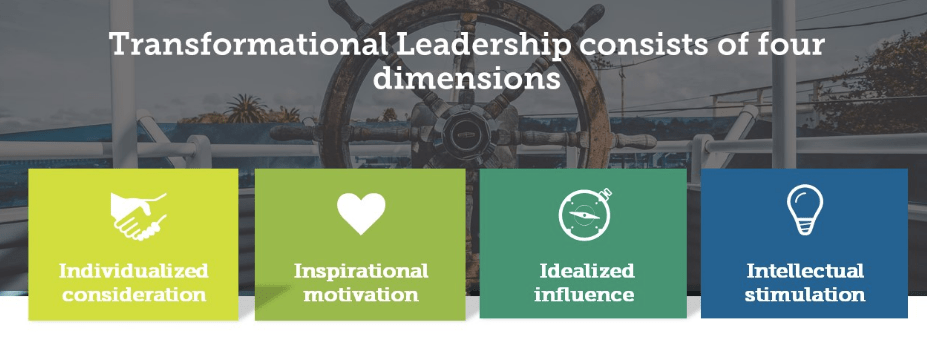
Intellectual Stimulation
This refers to when a leader challenges their team to think independently, encouraging individuals to explore new and innovative ways to learn [5]. A great example of implementing intellectual stimulation is coaching in Track and Field. Due to the technical nature of many field events, athletes will usually seek a coach’s feedback after each jump or throw. However, rather than simply dictating to an athlete exactly what they did right or wrong, a coach can question them as to what they feel they did correctly and how the athlete thinks they could improve their technique.
Individualised Consideration
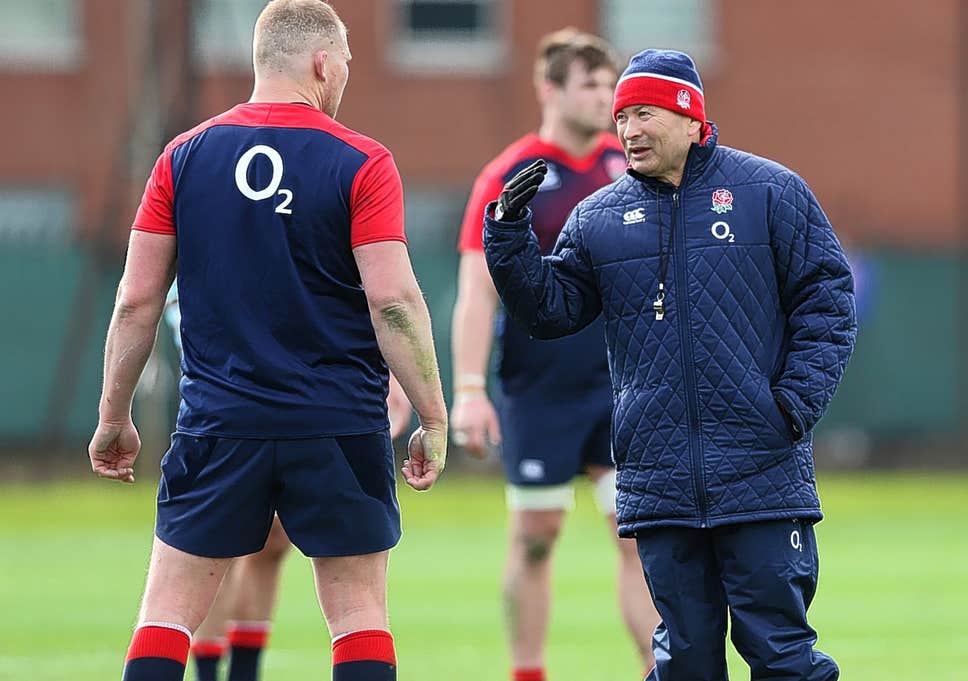
This simply means that a leader focuses on the individual, providing specific technical feedback to individuals within a team [5]. This in turn, allows for the needs of each player within a team to be met by the coach. I remember playing rugby in school, one thing the coaches always used to say that has stuck with me is ‘you are only as strong as your weakest player’. The idea of individualised consideration hopefully allows for coaches to assess and influence individual player weaknesses, which is then likely to help the overall team’s development. In addition to the individualised technical feedback, research has found that it can also be a fantastic opportunity for coaches to provide individual esteem-related support to players [5]. I think this relates back to the idea of holistic athlete development. When a coach takes a player to one side and provides technical and emotional support, the performance is likely to be enhanced but there is also consideration of the athlete’s mental wellbeing being taken into account.
Inspirational Motivation
Leaders have the opportunity to inspire and motivate their team members through their behaviours and actions. This is achieved through the leader clearly outlining the collective purpose of the team [5]. As the individuals within the team adopt the shared vision, they inadvertently contribute to a team spirit. Academics have found that when a leader embodies inspirational motivation they tend to convey optimism and enthusiasm which was found to enhance team members self-efficacy (the belief an individual has about their ability to manage a situation) [17].
Idealised Influence

Honestly, this is just a fancy way of saying that a leader should be a role model. Leaders should set an example for their followers by adhering to a high level of moral and ethical conduct. This is likely to ensure that followers possess a great deal of trust and respect for their leader [16]. Lots of leaders ‘talk the talk’ but the great ones ‘walk the walk’ as well. Set the standards for which you wish your team to operate at. For example, if you are regularly turning up late to sessions as a coach and making excuses to your team, it is highly likely that individuals within your team will end up doing the same.
Vision – Support – Challenge Model
Another theory i would like to introduce to you is the Vision Support Challenge model. This model was devised through the foundations of the Transformational Leadership Theory [18]. The model was initially developed in a military context by academics [19]. However, the model has recently been applied to the context of elite level sport, specifically coaches and athletes with Olympic Games aspirations [10].
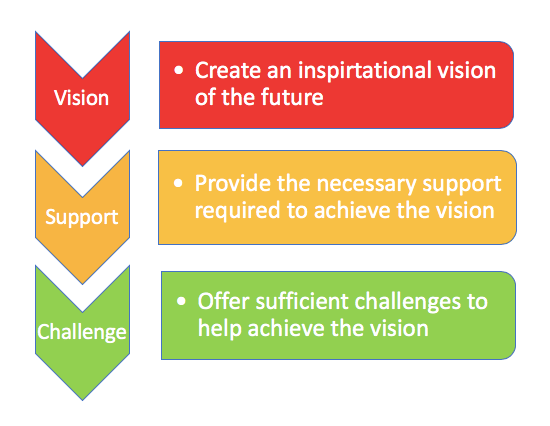
Arthur, Hardy and Woodman believe based on their research that Olympic success is achievable for an athlete when their coach successfully imparts a balance of the components: vision, support and challenge [10]. They commented on how the coach is central to the process and will be a critical factor in whether or not the athlete perceives that they are being sufficiently prepared for Olympic success. The research offered definitions for each component of the model in relation to Olympic level athletes and coaches (see below).
Vision is defined as:
‘The extent to which athletes have an inspirational and meaningful future image of themselves in their sport’
The definition of support is:
‘The extent to which emotional, esteem, informational, and tangible support is provided or is perceived as being available when needed’
The definition of challenge is:
‘An understanding of what needs to be done in order to achieve goals and the gap between current state and a future desired state’
The final comment I will make on the Vision, Support and Challenge model is that it is essential for coaches to execute this model in a state of equilibrium. Very high levels of support is absolutely fantastic for the athlete and a caring approach has been showed to be highly effective in coaching [5]. However, if you are a coach attempting to push the normal boundaries and endeavour to olympic success, low levels of challenge coupled with high levels of support are likely to lead to a lack of motivation. Conversely, a coach that challenges their athlete a lot but then provides limited support is likely to break the athlete, potentially leading to injury [20].
Becoming a Sheepdog

I want to finish this blog with a fantastic analogy that I recently heard in a Ted Talk by the elite performance coach, Fergus Connolly. I must urge you to listen to this talk yourself. I will post the link to the talk below.
Fergus explains how Sheepdogs are a fantastic example of a leader. They tirelessly care for and look after the flock of sheep with great efficiency. They are very authentic and they have their own strengths and limitations. They are not perfect leaders but they are genuine and incredibly hard working. The greatest strength of a sheepdog is its willingness to care for others, but sometimes that can also be a weakness. But, the biggest mistake many make is not having the courage to call upon other sheepdogs when they need help. No coach or leader is perfect, but in all things you do you can always strive to be better, and know that there are always other sheepdogs out there that are willing to lend a helping hand. Striving to become a better leader, will not only develop you as a coach and person but will massively impact the lives of those that look up to you both inside and outside of sport.
References
[1] Kruse, K. (2013). What is leadership. Forbes Magazine, 3.
[2] Northouse, P. G. (2018). Leadership: Theory and practice. Sage publications.
[3] Magee, W. (2017) The Cult: Martin Johnson. [Online] Available from: https://www.vice.com/en_uk/article/78gw7g/the-cult-martin-johnson
[4] Fletcher, D., & Arnold, R. (2011). A qualitative study of performance leadership and management in elite sport. Journal of applied sport psychology, 23(2), 223-242.
[5] Smith, M. J., Young, D. J., Figgins, S. G., & Arthur, C. A. (2017). Transformational leadership in elite sport: A qualitative analysis of effective leadership behaviors in cricket. The Sport Psychologist, 31(1), 1-15.
[6] Vallée, C. N., & Bloom, G. A. (2005). Building a successful university program: Key and common elements of expert coaches. Journal of applied sport psychology, 17(3), 179-196.
[7] Holistic Development and Well-Being of Athletes. [Online] Available from: https://www.sportdev.org/USAB/Blog/Holistic_Development.aspx
[8] Dupuis, M., Bloom, G. A., & Loughead, T. M. (2006). Team captains’ perceptions of athlete leadership. Journal of Sport Behavior, 29(1), 60.
[9] Bellwood, T. (2009) THE LIST: Sport’s greatest captains, Nos 10-1. [Online] Available from: https://www.dailymail.co.uk/sport/article-1203268/THE-LIST-Sports-greatest-captains-Nos-10-1.html
[10] Arthur, C. A., Hardy, L., & Woodman, T. (2012). Realising the Olympic dream: Vision, support and challenge. Reflective Practice, 13(3), 399-406.
[11] Prive, T. (2012). Top 10 qualities that make a great leader. Forbes. Retrieved, 20.
[12] Fletcher, D., & Wagstaff, C. R. (2009). Organizational psychology in elite sport: Its emergence, application and future. Psychology of sport and exercise, 10(4), 427-434.
[13] Bass, B. M. (1985). Leadership: Good, better, best. Organizational dynamics, 13(3), 26-40.
[14] Hardy, L., Arthur, C. A., Jones, G., Shariff, A., Munnoch, K., Isaacs, I., & Allsopp, A. J. (2010). The relationship between transformational leadership behaviors, psychological, and training outcomes in elite military recruits. The Leadership Quarterly, 21(1), 20-32.
[15] Lim, B. C., & Ployhart, R. E. (2004). Transformational leadership: relations to the five-factor model and team performance in typical and maximum contexts. Journal of applied psychology, 89(4), 610.
[16] Bass, B. M., & Riggio, R. E. (2006). Transformational leadership [Kindle version].
[17] Hoption, C., Phelan, J., & Barling, J. (2007). Transformational leadership in sport. In Group dynamics in exercise and sport psychology (pp. 63-80). Routledge.
[18] Arthur, C. A., & Hardy, L. (2008). Vision, support, and challenge model of transformational leadership, Verbal Presentation, European College of Sports Science, Estoril, Portugal.
[19] Arthur, C. A. (2008). Conceptualisation, measurement, and impact of transformational leadership in military recruit training(Doctoral dissertation, Prifysgol Bangor University).
[20] Jones, G. (2002). Performance excellence: A personal perspective on the link between sport and business. Journal of Applied Sport Psychology, 14(4), 268-281.
 Leadership
Wonderful read as both a coach and athlete! Interesting anecdote with the sheepdog. Thoroughly enjoyable
LikeLiked by 1 person
Very interesting, and I have always admired Sheepdogs!
LikeLiked by 1 person
It is an excellent article, with good insight that outline the issues very well, congrats and thanks !🙏
LikeLike